TH
 EN
When a Chiang Mai Tenant Refuses to Vacate — The Legal Process and How to Prevent the Problem From the Start
Evicting a tenant who refuses to leave is one of the most feared situations for property owners — but there is a clear legal process and effective prevention methods.
Common Causes of Tenant Refusal to Vacate
Lease ended but tenant stays: Owner chose not to renew but tenant remains; Outstanding rent with no vacating: Not paying and continuing to occupy; Lease violations: Property damage or other contractual breaches.
Thai Legal Eviction Process
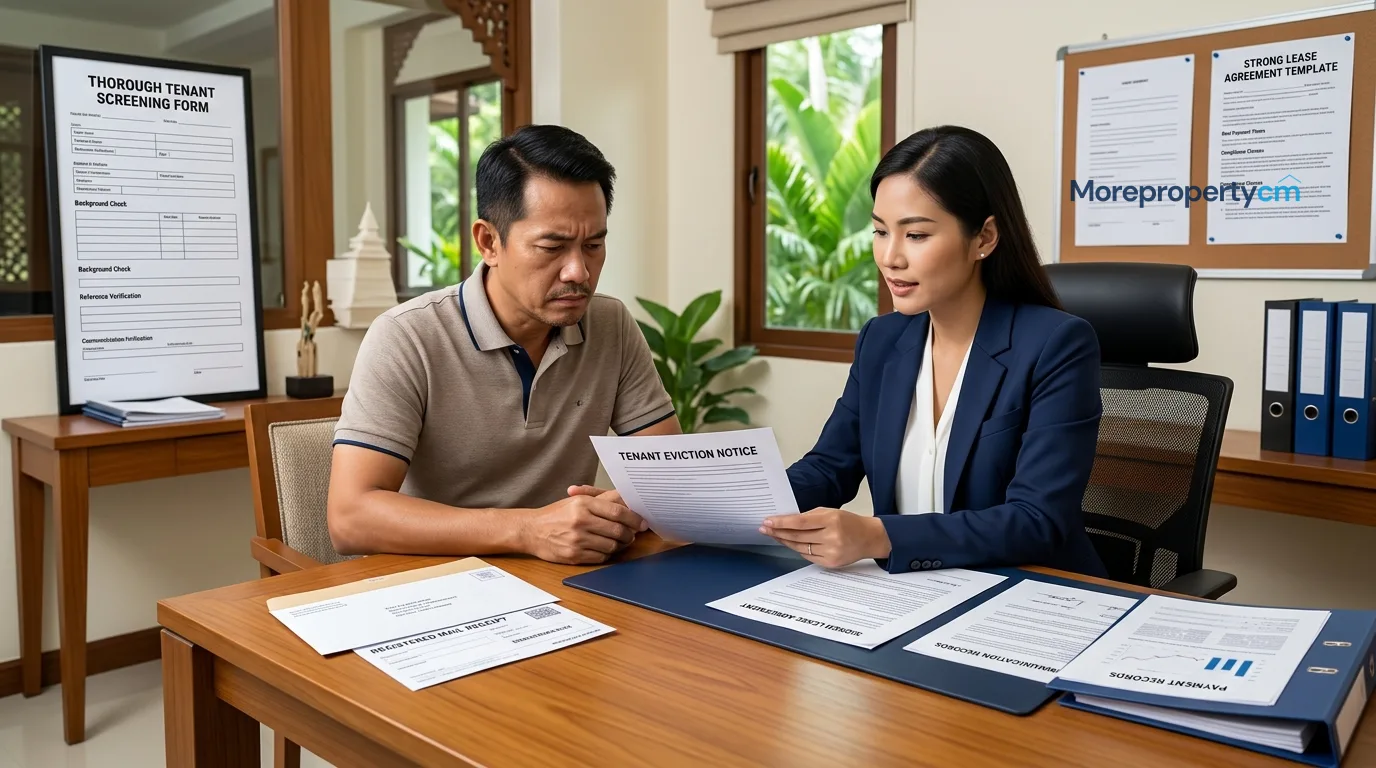
Step 1 — Written Notice: Send a lease termination and vacating notice by Registered Mail for proof. Specified period: At minimum 30 days (per law and contract).
Step 2 — File a Court Case (if tenant doesn't leave): File an eviction case at the Civil Court if the tenant remains after notice. Requires a lawyer. Lawyer costs: THB 20,000-80,000 depending on complexity.
Step 3 — Wait for Judgment: Court proceedings typically take 3-12 months depending on complexity and court scheduling. Clear-cut cases (expired lease, tenant stays) tend to resolve faster.
Step 4 — Enforcement: After judgment, if still not vacating, report to the Legal Execution Department for forced eviction.
Total estimated cost: THB 30,000-120,000 and 6-18 months.
Prevention From the Start (Far More Important)
1. Screen tenants thoroughly before renting: Request income evidence and employment history; request previous landlord references; ask reason for leaving previous accommodation.
2. Write a clear lease agreement: Specify eviction conditions and property return clearly; specify advance notice requirements; have a lawyer review the contract.
3. Keep records of all communications: Conduct important communications via LINE or email, not just verbally, to maintain evidence.
4. Never charge less than 2 months' deposit: Low deposits make tenants feel the "penalty" is less than moving costs.
5. Never cut utilities without a court judgment: Cutting water or electricity to force vacating without a court order is illegal in Thailand.
MORE Value. MORE Trust. Always.
Contact us today for a free consultation:
Line: @morecm | www.morepropertycm.co.th
Aurakanya: +66 83-236-9428
Eknarin: +66 96-236-9745
When a Chiang Mai Tenant Refuses to Vacate — The Legal Process and How to Prevent the Problem From the Start
19 Oct 2026
4 ครั้ง